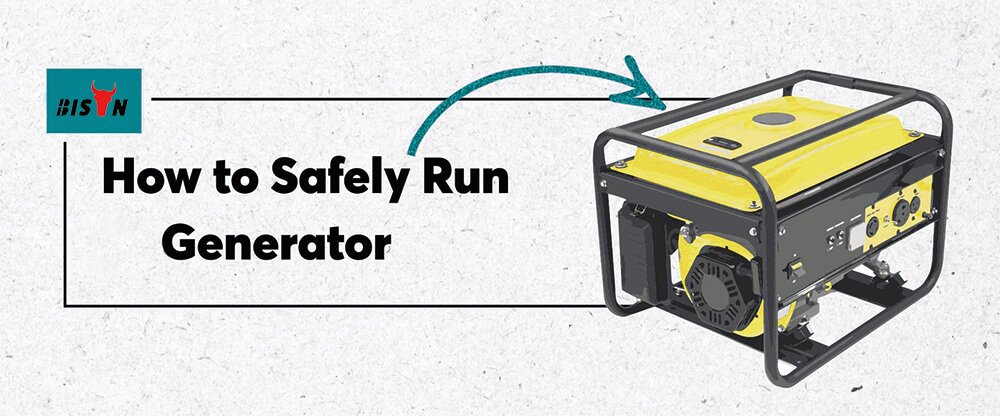
Generator Safety & Operation Best Practices for Safe and Reliable Power
When the power goes out, a portable generator can feel like a lifeline, bringing light, warmth, and a sense of normalcy back to your home. But this powerful convenience comes with significant risks if not handled correctly. Mastering Generator Safety & Operation Best Practices isn't just about keeping the lights on; it's about safeguarding your life, your family, and your property from often invisible dangers like carbon monoxide poisoning, electrical shocks, and devastating fires. This guide cuts through the noise, providing clear, actionable advice to ensure you operate your generator with confidence and unwavering safety.
At a Glance: Essential Generator Safety Rules
- OUTDOORS ONLY: Never operate a generator indoors, in garages, basements, or any enclosed space. Carbon monoxide (CO) is a silent killer.
- 20 FEET AWAY: Place generators at least 20 feet (6.1 meters) from your home's doors, windows, and vents. Factor in wind direction.
- TRANSFER SWITCH IS CRITICAL: Always use a professionally installed transfer switch to prevent dangerous backfeeding into the utility grid.
- COOL BEFORE FUELING: Turn off the generator and allow it to cool completely before adding fuel to prevent fires.
- HEAVY-DUTY CORDS: Use only outdoor-rated, heavy-duty extension cords.
- STAY DRY: Keep generators and electrical connections dry, away from standing water and rain.
- REGULAR MAINTENANCE: Follow manufacturer guidelines for checks and maintenance to ensure reliable and safe operation.
- CO DETECTORS: Install battery-operated CO detectors in your home.
The Silent Predator: Protecting Against Carbon Monoxide (CO) Poisoning
Carbon monoxide (CO) is the most insidious threat posed by generators. It's an invisible, odorless, and tasteless gas produced when fuels like gasoline or propane burn incompletely. Inhaling CO rapidly depletes oxygen in your blood, leading to dizziness, nausea, headaches, and eventually, unconsciousness and death. You won't see it, you won't smell it, and you likely won't even realize you're being poisoned until it's too late.
The 20-Foot Rule: Your First Line of Defense
The absolute golden rule for generator operation is never, ever run it indoors. This includes garages, sheds, basements, or even partially enclosed spaces like carports. The exhaust fumes contain lethal levels of CO that can quickly accumulate and seep into living areas, even through open doors or windows.
Instead, always position your generator outdoors in a well-ventilated area. Crucially, it must be at least 20 feet (6.1 meters) away from doors, windows, and vents of any occupied building. This distance is non-negotiable. Why 20 feet? It provides a buffer zone, allowing the CO to dissipate harmlessly into the open air before it can drift back inside your home.
Beyond distance, consider the wind. Always position the generator so its exhaust is directed away from your home and any neighboring structures. A change in wind direction could push exhaust back towards your house, negating your safety efforts. Check weather forecasts and be prepared to reposition your generator if wind patterns shift.
The Unsung Hero: Carbon Monoxide Detectors
Even with meticulous outdoor placement, CO can still find its way inside. This is where CO detectors become vital. Install battery-operated CO detectors on every level of your home, especially near sleeping areas. Treat these devices like smoke detectors – test them regularly and replace batteries as needed. A CO alarm is your early warning system, giving you precious time to evacuate if gas levels become dangerous. Many newer generators even come with built-in CO sensors that automatically shut down the unit if CO levels get too high near the generator itself. While these are excellent safety features, they are not a substitute for detectors inside your living spaces.
Taming the Flames: Preventing Generator Fire Hazards
Generators run on highly flammable fuels, making fire a constant threat if proper precautions aren't taken. Gasoline, propane, and even diesel can ignite explosively under the right conditions, turning a power outage into a catastrophe.
Refuel with Extreme Caution
This is one of the most common causes of generator-related fires. When a generator runs, its engine and exhaust components become extremely hot. Adding fuel to a hot engine can cause vapors to ignite instantly, leading to severe burns or an engulfing fire.
The rule is simple and critical: Always turn off the generator and allow it to cool completely before refueling. This means waiting at least 15-20 minutes, or longer depending on ambient temperature and how long it's been running. Once cool, use a funnel to avoid spills, and never overfill the tank. Wipe up any spills immediately and thoroughly. Store the fuel can away from the generator before restarting.
Safe Fuel Storage is Non-Negotiable
How you store fuel is as important as how you handle it.
- Approved Containers: Always use fuel containers specifically designed for the type of fuel you're storing. These are typically red for gasoline, yellow for diesel, and blue for kerosene, and are clearly labeled with their contents.
- Cool, Dry, Ventilated: Store fuel containers in a cool, dry, well-ventilated area. Heat can cause fuel vapors to expand and ignite.
- Away from Ignition Sources: Keep fuel far away from heat sources, sparks, open flames, pilot lights (like water heaters), and anything that could create a spark. This includes your generator itself when it's operating.
- Separate from Living Spaces: Never store fuel inside your home, basement, or garage. A shed or detached storage unit is ideal. The fumes alone can be dangerous, not to mention the fire risk.
- Secure: Ensure containers are tightly sealed and stored upright to prevent leaks.
Proper ventilation around the generator during operation is also crucial to prevent overheating, which can itself be a fire hazard. Don't crowd the generator with other objects, and make sure its air intakes and exhausts are clear.
Shockingly Safe: Mastering Electrical Connections
Electrical hazards from generators can be just as deadly as CO poisoning or fires. Improper connections can lead to electrocution for you, your family, or even unsuspecting utility workers. Understanding Generator Safety & Operation Best Practices means respecting electricity.
The Transfer Switch: Preventing Backfeeding
This is perhaps the most critical electrical safety component. Never plug your generator directly into a wall outlet in your home. This practice, known as "backfeeding," is incredibly dangerous. Here's why:
- Electrocution Risk for Utility Workers: When your neighborhood loses power, utility crews are out working to restore it. If your generator is backfeeding, it sends electricity out of your home and into the utility grid, potentially energizing power lines that workers believe are de-energized. This can lead to severe injury or death for them.
- Damage to Appliances: The sudden surge of power when the utility grid comes back online can severely damage your generator and home appliances.
The solution is a transfer switch. A transfer switch is a device that safely disconnects your home from the utility grid before allowing generator power to flow into your home's electrical system. It prevents any possibility of backfeeding. There are two main types:
- Manual Transfer Switch: You physically switch a lever or toggle to move between utility power and generator power.
- Automatic Transfer Switch (ATS): Often found with whole-home standby generators, an ATS automatically senses a power outage, starts the generator, and switches your home to generator power. When utility power returns, it switches back and shuts down the generator.
Regardless of the type, a transfer switch must be installed by a qualified, licensed electrician. This is not a DIY project. The installation ensures compliance with local electrical codes and guarantees safety. Understanding the importance of this step is paramount for effective Ace Hardware generators operation and for all generator types.
Heavy-Duty, Outdoor-Rated Extension Cords
For portable generators, you'll be relying on extension cords to bring power from the generator to your appliances. But not just any cord will do.
- Outdoor-Rated: Ensure your extension cords are rated for outdoor use, meaning they are designed to withstand moisture, temperature fluctuations, and abrasion. Look for markings like "W" (weather-resistant) or "Outdoor Use."
- Heavy-Duty Gauge: The cord's gauge (thickness of the wire) is crucial. Thinner cords (higher gauge number, e.g., 16-gauge) can overheat when carrying high loads, posing a fire risk. Use heavy-duty, larger-gauge cords (lower gauge number, e.g., 10 or 12-gauge) for higher wattage appliances and longer runs. Consult your generator's manual and the appliance's wattage requirements to select the appropriate cord gauge.
- Length: Use the shortest possible cord length required. Longer cords lead to voltage drop, which can damage appliances and reduce efficiency.
- Inspect Regularly: Before each use, inspect cords for any signs of damage: cuts, fraying, exposed wires, or damaged plugs. Replace damaged cords immediately.
Keeping Connections Dry and Protected
Water and electricity are a deadly combination.
- Avoid Standing Water: Never operate a generator in standing water, during heavy rain, or even on wet ground without proper protection. If rain or snow is expected, set up a temporary canopy or generator cover that allows for proper ventilation but keeps the unit dry.
- Weatherproof Covers: Use weatherproof covers for all electrical connections, including the generator's outlet panel and where extension cords plug into appliances. This prevents moisture from reaching live connections.
- Dry Hands: Always ensure your hands are dry when handling generator plugs, cords, or switches.
If any part of the generator or its connections becomes wet, shut it down immediately, disconnect the power, and allow everything to dry completely before attempting to restart.
The Mechanics of Reliability: Operation & Maintenance
Beyond the big three dangers (CO, fire, electrical shock), maintaining your generator properly ensures it runs reliably when you need it most and prevents mechanical failures that could lead to injury or further hazards. Generator Safety & Operation Best Practices also encompasses proactive care.
Pre-Start Checks: Your Pre-Flight Routine
Before you even think about starting your generator, run through a quick checklist:
- Fuel Level: Check the fuel tank. If low, refuel only after the unit has cooled down completely.
- Oil Level: Check the oil dipstick. Low oil can cause severe engine damage. Use the type and viscosity recommended by the manufacturer.
- Visual Inspection: Walk around the generator. Look for any visible damage, loose wires, fuel leaks, or obstructions around the air intake or exhaust.
- Air Filter: Ensure the air filter is clean and properly seated.
- Spark Plug: Check the spark plug for corrosion or carbon buildup if it's been a while since its last service.
Starting Your Generator Safely
Always refer to your generator's owner's manual for specific starting procedures. While slight variations exist, the general steps are:
- Placement: Ensure the generator is on a level, stable surface, outdoors, at least 20 feet from any structures, with exhaust directed away.
- Connections: Ensure no appliances are plugged into the generator yet. It's best to start with a "no load" condition.
- Fuel Valve: Open the fuel valve (if applicable).
- Choke: Move the choke lever to the "choke" or "start" position (for cold starts).
- Engine Switch: Turn the engine switch to the "on" or "run" position.
- Start: Pull the recoil start cord firmly and steadily, or press the electric start button.
- Choke Off: Once the engine starts and runs smoothly, slowly move the choke lever to the "run" or "off" position.
- Plug In: Only after the generator is running steadily, begin plugging in appliances one at a time, starting with the highest wattage items.
Maintaining a Safe Distance from Moving Parts
Generators have exposed moving parts like the engine, fan, and flywheel. Keep a safe distance during operation. Wear appropriate clothing – avoid loose-fitting garments, scarves, or jewelry that could become entangled in moving components. If you need to perform any adjustments or checks, always turn the generator off and allow it to cool first.
Regular Maintenance: The Key to Longevity and Safety
Just like your car, a generator needs regular maintenance to function safely and reliably. Follow the manufacturer's maintenance schedule religiously.
- Oil Changes: Change the engine oil at the recommended intervals (e.g., after the first 20 hours, then every 50-100 hours of operation).
- Air Filter: Clean or replace the air filter regularly, especially if operating in dusty conditions.
- Spark Plug: Inspect and replace the spark plug as needed to ensure efficient combustion and easy starting.
- Fuel System: If storing the generator for extended periods, use a fuel stabilizer or drain the fuel completely to prevent gumming and corrosion in the carburetor.
- General Inspection: Periodically inspect the entire unit for wear and tear, loose bolts, frayed wires, or damaged components. Check the condition of extension cords and connections.
A well-maintained generator is a safer generator. Ignoring maintenance can lead to unexpected breakdowns, increased fire risk due to clogged filters or leaks, and inefficient, dangerous operation.
Choosing Your Power Partner: Generator Selection Insights
While this guide focuses on safety and operation, understanding a bit about generator selection can empower you to make safer choices from the start.
- Portable vs. Standby: Portable generators are great for temporary power needs and are manually operated. Standby generators are permanently installed, automatically start during outages, and are usually much larger.
- Sizing: Determine your wattage needs by listing all the appliances you want to run simultaneously and summing their starting and running wattages. Don't undersize your generator, as overloading it can be dangerous and damage the unit.
- Features to Look For:
- CO Shut-off: Many modern portable generators feature CO detection that automatically shuts down the unit if harmful levels are detected.
- Low-Oil Shut-off: Protects the engine from damage.
- Circuit Breakers: Prevent overloading of circuits.
- Fuel Gauge: Helps you monitor fuel levels.
- Electric Start: Makes starting much easier than recoil pull starts.
- Brand Reputation: Investing in a reputable brand often means better build quality, reliable performance, and access to customer support and parts. When considering purchasing, researching Ace Hardware generators can provide excellent options and insights into reliable models.
Before the Storm: Generator Preparedness Checklist
Proactive planning is a cornerstone of Generator Safety & Operation Best Practices. Don't wait until the power is out to think about your generator.
- Test Regularly: Run your generator at least once a month for 15-20 minutes under a light load (e.g., a few lights or a small appliance). This keeps the engine lubricated, circulates fuel, and ensures it's ready when needed.
- Stock Fuel and Supplies: Always keep an adequate supply of fresh fuel (with stabilizer if needed) stored safely. Ensure you have the right type of oil, a funnel, and spare spark plugs if necessary.
- Review the Manual: Keep your generator's owner's manual in an easily accessible location and review it periodically, especially before an anticipated outage.
- Emergency Contacts: Have the number for your utility company, a qualified electrician, and emergency services readily available.
- CO Detectors: Double-check that all your CO detectors are functioning and have fresh batteries.
Common Generator Missteps & How to Avoid Them
Even with good intentions, mistakes happen. Being aware of the most common generator safety pitfalls can help you avoid them.
- Using a Generator Indoors (Again!): This bears repeating. No garage, no basement, no enclosed space. The risk of CO poisoning is too high.
- Overloading the Generator: Plugging in too many appliances or high-wattage items can overload the generator, tripping circuit breakers, damaging the unit, and potentially creating a fire hazard. Always know your generator's capacity and your appliances' wattage requirements.
- Improper Refueling: Refueling a hot generator or spilling fuel during the process can lead to immediate and dangerous fires. Cool down, then refuel.
- Neglecting Maintenance: A poorly maintained generator is more prone to breakdowns, fuel leaks, and inefficient operation, all of which increase safety risks. Stick to the maintenance schedule.
- Ignoring the Owner's Manual: Every generator is slightly different. The manual provides specific safety warnings, operating instructions, and maintenance schedules unique to your model. Read it!
- Leaving Cords Unprotected: Running extension cords through windows or under doors can damage the cords, creating fire or shock hazards. It also provides an easy entry point for CO. Ensure cords are placed safely and away from pinch points.
When Professional Help is Essential
While many aspects of generator operation and basic maintenance can be handled by a homeowner, some tasks absolutely require a professional.
- Transfer Switch Installation: As mentioned, this is a job for a licensed electrician to ensure proper, safe installation and compliance with electrical codes.
- Major Repairs: If your generator is experiencing significant mechanical issues, persistent electrical faults, or fuel system problems, it's best to consult a certified generator technician. Attempting complex repairs yourself could void warranties, exacerbate the problem, or create new safety hazards.
- Complex Electrical Issues: Any flickering lights, frequent circuit trips, or unusual electrical behavior when running your generator should prompt a professional inspection.
Don't hesitate to call in the experts when a task is beyond your comfort or skill level. Your safety, and the longevity of your investment, are worth it.
Empowering Your Home, Safely and Confidently
A generator is an incredibly valuable tool when facing a power outage, but it demands respect and adherence to strict safety protocols. By diligently following Generator Safety & Operation Best Practices, you transform a potentially dangerous piece of equipment into a reliable source of temporary power.
Take the time to understand the risks of carbon monoxide, fire, and electrical shock, and implement the preventive measures outlined in this guide. Invest in the right safety equipment like CO detectors and heavy-duty cords. And most importantly, always prioritize safety over convenience. With thoughtful preparation and careful operation, you can ensure your home stays powered, and your loved ones stay safe, even when the lights go out.