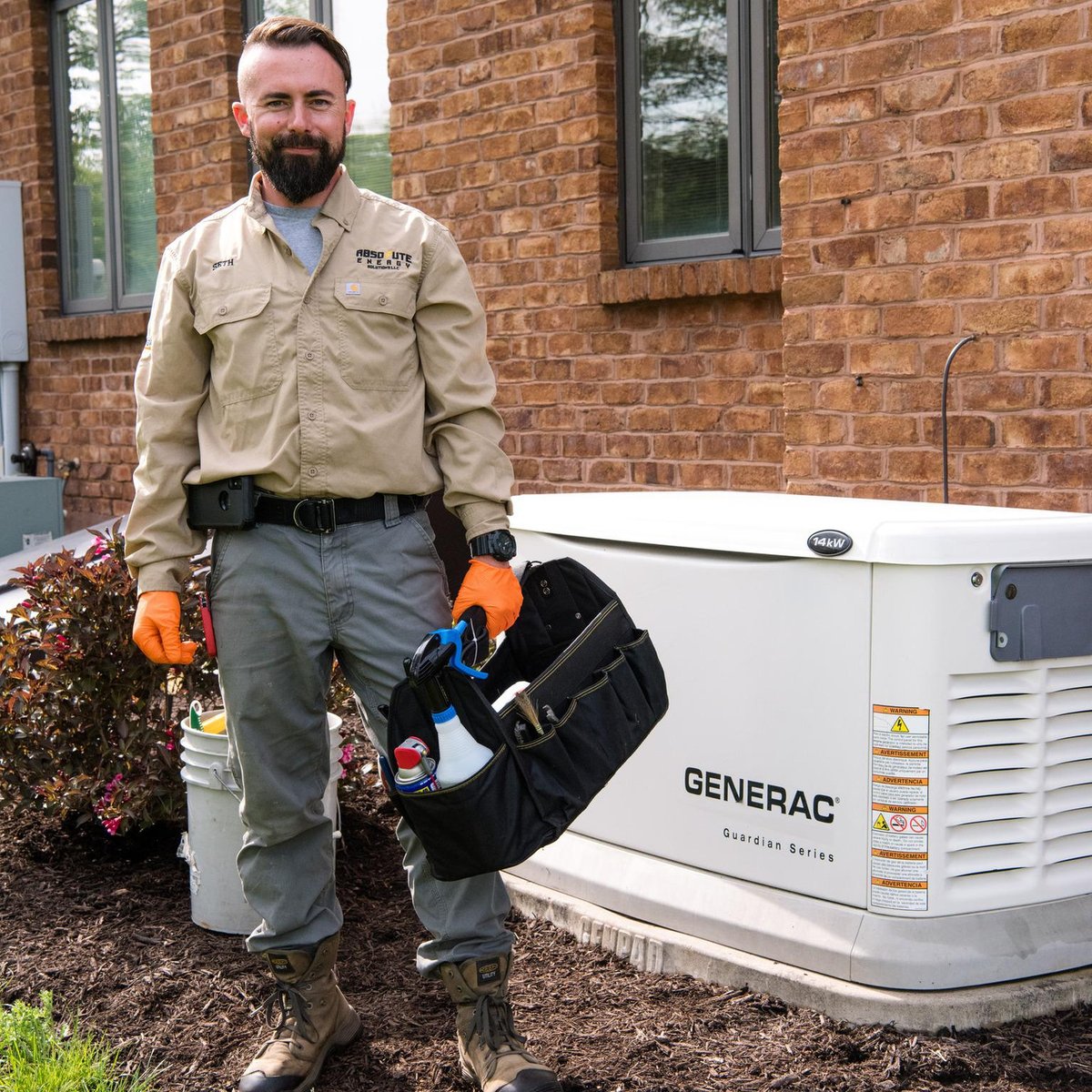
There's nothing quite like the peace of mind a home generator brings when the power goes out. But that reassurance quickly evaporates if your generator sputters, struggles, or fails to start when you need it most. The secret to a truly reliable backup system isn't just owning a generator; it's mastering its Generator Maintenance & Troubleshooting. Think of it as your home's unsung hero – it only performs when consistently cared for.
This isn't about complex mechanics; it's about smart habits. Regular, thoughtful maintenance can extend your generator's lifespan by two to three times, dramatically improve its efficiency, slash future repair costs, and, most importantly, ensure it's always ready to jump into action. Let's dive into making your generator a steadfast guardian against outages.
At a Glance: Key Takeaways for Generator Longevity
- Frequency is Key: Maintenance isn't a one-and-done; it's a tiered schedule from after-each-use checks to multi-year overhauls.
- DIY vs. Pro: You can handle many routine tasks yourself, saving money, but annual professional service is often crucial for warranties and complex systems.
- Early Warning Systems: Learn to spot common issues like unusual noises, leaks, or error codes, and know when to act fast.
- Record Keeping: A simple log or digital app can be your best friend for tracking service and understanding your generator's history.
- Placement Matters: Proper location and fuel storage aren't just about safety; they're integral to performance and longevity.
Why Your Generator Deserves Regular Attention
Imagine buying a car and never changing the oil. Your generator is a sophisticated piece of machinery, often featuring a combustion engine, just like your vehicle. It's designed to sit idle, sometimes for months, then instantly spring to life under duress. This demanding operational profile makes regular care not just a recommendation, but a necessity.
Without proper maintenance, fuel can degrade, oil can thicken, batteries can die, and critical components can corrode or wear out. When you're facing a winter storm or a summer heatwave, you want a generator that's a faithful workhorse, not a gamble. Proactive care translates directly to improved efficiency, fewer costly breakdowns, and guaranteed readiness.
After Each Use: Immediate Post-Run Care
Whether you've just run your generator for an extended outage or a quick exercise test, a few simple steps ensure it's clean and prepped for its next task.
Clean the Generator's Exterior
Once your generator has cooled down, grab a soft brush, a damp cloth, or even a vacuum. Wipe down the exterior, paying special attention to clearing any debris – leaves, dust, grass, or even spiderwebs – from the air inlets and outlets. Blocked vents can lead to overheating. If your generator is stored outdoors, consider investing in a high-quality, weatherproof generator cover to protect it from rust, moisture, and debris buildup.
Check the Engine Oil
For fuel-powered generators (like portable gasoline models or standby units with four-stroke engines), checking the oil is vital. Locate the dipstick, pull it out, wipe it clean, reinsert it fully, then pull it out again to check the level. If it's low, top it up with the specific oil type and viscosity recommended by your manufacturer. This step isn't applicable for older two-stroke engines that mix oil directly with fuel, though these are far less common in modern home backup scenarios.
Drain Fuel Before Long-Term Storage
This is crucial for portable gasoline generators. Gasoline degrades over time, forming gummy deposits that can clog the carburetor and fuel lines – a process known as "varnishing."
- For storage longer than a few months (e.g., over winter): It's best practice to drain the fuel tank completely. Then, run the generator until it runs out of fuel and stalls. This ensures the carburetor is flushed clean and dry, preventing fuel degradation in critical components.
- For shorter storage (within a few months): A high-quality fuel stabilizer added to a full tank of fresh fuel can prevent degradation. Run the generator for a few minutes after adding the stabilizer to ensure it circulates through the entire fuel system.
Weekly and Monthly: The Routine Check-Up
These quick checks, taking just 15-20 minutes, are your first line of defense against unexpected issues. They keep your generator's fluids circulating, its systems alert, and its components visible for inspection.
The "Exercise" Run Test
Just like us, generators need to stretch their legs.
- Standby Generators: Most modern standby generators are designed for automatic weekly self-tests, often running for about 12 minutes. This brief run circulates oil, lubricates components, and ensures the engine is ready. Check your unit's control panel or manual to confirm its schedule and ensure it's actually running these tests.
- Portable Generators: If your portable generator has fuel in its tank, manually start it bi-weekly for 5-10 minutes. This circulates engine oil and keeps seals supple.
- Comprehensive Monthly Test: Once a month, take it a step further. Turn off the main utility power at your transfer switch (or manually connect for portables) and let the generator power your home for 10-15 minutes. This tests the entire system, including the transfer switch and your home's ability to receive generator power. Afterward, return to utility power and let the generator cool down.
Visual Inspection: Look and Listen
Take a moment to truly look at your generator.
- Check for Leaks: Are there any puddles or streaks of oil, coolant, or fuel beneath or around the unit? Even a small leak can indicate a developing problem.
- Examine Wiring: Look for loose, frayed, or chewed wires.
- Rodent Damage: Rodents love generators! Look for droppings, nests, or signs of chewed wires. These can cause electrical shorts or block ventilation.
- Clear Debris: Ensure the area around the unit is clear of leaves, grass clippings, snow, or anything that could obstruct airflow or create a fire hazard.
Check Fluid Levels
Similar to after-use, but now a routine check.
- Engine Oil: Re-check the engine oil level. Top it off if it's low.
- Coolant (Liquid-Cooled Models): For larger, liquid-cooled standby generators, check the coolant reservoir. Ensure it's between the "min" and "max" lines.
Verify Fuel Supply
- Propane/Diesel Units: Ensure you have sufficient fuel in the tank for any potential outage.
- Natural Gas Units: Verify that the main fuel valve to the generator is in the "open" position.
Battery Health Check
Even if your generator starts automatically, a dead battery means no start. Ensure the battery terminals are clean and tight. Look for any corrosion and clean it off with a wire brush if present. A loose connection can prevent proper charging or starting.
Annual Generator Maintenance: The Professional Tune-Up
While your weekly and monthly checks are vital, your generator needs a comprehensive annual service, often performed by a certified technician. This isn't just about optimal performance; it's typically a requirement to maintain your manufacturer's warranty. Leading brands like Generac, Kohler, Briggs & Stratton, and Cummins all specify annual service (or after a certain number of run hours, typically 100-200) to keep your warranty valid.
What Does Annual Service Include?
A professional annual service covers a multitude of critical tasks designed to maintain every aspect of your generator's system:
- Engine Oil and Oil Filter Replacement: Fresh oil is the lifeblood of your engine.
- Air Filter Replacement: A clean air filter ensures optimal combustion and prevents dirt from entering the engine. This is usually done after one year or 100 hours of use, or sooner in dusty environments.
- Spark Plugs (Gas) / Diesel Injectors (Diesel): For gasoline units, spark plugs are replaced to ensure efficient ignition. For diesel, injectors are inspected.
- Battery Load Test and Service: Professionals will test your battery's capacity to hold a charge and ensure it can handle the starting load. They'll also clean terminals and check connections.
- Fuel System Inspection: This includes checking fuel lines for cracks or leaks, inspecting the fuel filter, and ensuring all connections are secure.
- Cooling System Service (Liquid-Cooled): Inspection of the radiator, cleaning of cooling fins, and checking/topping off coolant for liquid-cooled models.
- Valve Clearance Adjustment: Ensuring engine valves open and close correctly for peak efficiency.
- Transfer Switch Test: Verifying that your automatic transfer switch (ATS) correctly switches power from utility to generator and back.
- Control System Check: Inspecting the generator's control panel for any logged safety shutdowns or alerts.
- Exhaust System Inspection: Checking for leaks, corrosion, or blockages that could affect engine performance or safety.
Understanding the Costs
The cost of professional annual service varies depending on your generator's size and type:
- Air-Cooled (8-22kW): Expect to pay roughly $250-$400.
- Liquid-Cooled (20-60kW): These larger, more complex units typically cost $350-$600 for annual service.
- DIY Maintenance Kits: If you're tackling some tasks yourself (and your warranty allows), basic maintenance kits (oil, filters, spark plugs) usually run $80-$200.
For a broader perspective on generator options and ownership, you might find an Ace Hardware generator guide helpful in understanding different models and their general care needs.
Long-Term Care: Your Multi-Year Maintenance Calendar
Some tasks are so critical they only need attention every few years, often coinciding with professional service visits.
- Every 2 Years:
- Replace Battery: Even a well-maintained battery has a finite lifespan.
- Check Valve Clearance: A more in-depth check and adjustment of engine valves.
- Replace Coolant (Liquid-Cooled): Over time, coolant loses its protective properties.
- Every 3-5 Years:
- Replace Fuel Filter: Essential for maintaining clean fuel delivery.
- Replace Radiator Hoses (Liquid-Cooled): Hoses can degrade and crack, leading to leaks.
- Comprehensive Fuel System Cleaning: A deeper clean beyond just filter replacement.
- Major Transfer Switch Service: A thorough inspection and calibration of your ATS.
Seasonal Prep: Keeping Your Generator Ready Year-Round
The demands on your generator can change dramatically with the seasons. A little seasonal foresight goes a long way.
Winter Preparation: Bracing for the Cold
Cold weather puts extra strain on generators, especially the battery and fuel system.
- Battery Condition: Ensure your battery is fully charged and in excellent condition. Cold significantly reduces battery cranking power.
- Block Heater Operation: If your generator has a block heater (common in colder climates), verify it's operating correctly to keep the engine warm for easier starts.
- Winter-Grade Fuel: For diesel generators, use winter-grade diesel fuel or an appropriate anti-gelling additive to prevent fuel from thickening in the cold.
- Snow Clearance: Maintain at least a three-foot clearance around the generator at all times to ensure proper ventilation and exhaust dispersal, and to prevent snow from blocking critical components.
- Antifreeze Protection: For liquid-cooled models, verify your coolant provides protection down to at least -20°F.
Summer Preparation: Fighting the Heat
High temperatures bring their own set of challenges, particularly for cooling and load management.
- Clean Cooling Fins/Radiator: Ensure these are free of dirt, dust, and debris to maximize heat dissipation.
- Exhaust System Check: Inspect for nesting animals or insects that might have taken up residence during warmer, less active periods.
- Air Intake: Verify the air intake is clear and unobstructed.
- Increased Cooling Inspections: In extremely hot weather, more frequent checks of coolant levels (for liquid-cooled) and general cooling system performance are wise.
- Load Capacity: Be mindful of increased electrical demands in summer, especially if running air conditioning. Ensure your generator is sized appropriately and not being overloaded.
DIY vs. Professional: Knowing When to Grab Your Wrench (or Your Phone)
It's empowering to handle some generator maintenance yourself, and it can save you money. But there's a clear line where professional expertise becomes essential.
DIY Tasks You Can Handle
You can confidently take on many routine tasks, saving roughly $100-$150 per year on basic service:
- Monthly Visual Inspections: Checking for leaks, debris, and obvious damage.
- Checking Fluid Levels: Regularly monitoring oil and coolant.
- Clearing Debris: Keeping the generator and its surroundings clean.
- Simple Battery Terminal Cleaning: Removing corrosion from terminals.
- Air Filter Replacement: On many models, this is a straightforward task.
- Running Exercise Tests: Manually starting portables or verifying standby auto-tests.
- Draining Fuel: For portable generator storage.
When to Call the Pros
For critical systems, warranty requirements, and complex diagnostics, a certified technician is invaluable.
- Annual Comprehensive Service: As discussed, this is often warranty-required.
- Any Electrical or Fuel System Checks: Unless you are a certified electrician or fuel system expert, leave these to the pros.
- Transfer Switch Testing: This involves high voltage and complex wiring.
- Battery Load Testing: Professionals have specialized equipment for this.
- Engine Tune-Ups: Tasks like adjusting valve clearance.
- Any Service Required by Warranty: Skipping these tasks will almost certainly void your warranty, leading to potentially massive repair bills down the line.
Warning Signs: When to Call for Immediate Help
Your generator often "talks" to you through sounds, smells, and alerts. Learning to interpret these can prevent a minor issue from becoming a catastrophic failure.
- Unusual Noises:
- Grinding, knocking, or rattling sounds: These indicate serious internal engine problems. Shut down the generator immediately and call for service.
- Fluid Leaks:
- Oil, coolant, or fuel leaks: These are not normal. A fuel leak is a fire hazard. Oil or coolant leaks indicate internal system issues. Address within 24 hours.
- Frequent Shutdowns:
- If your generator starts but quickly stops, it's a sign of a fault. Check the error code (if available) and call service.
- Visible Smoke:
- Blue smoke: Indicates oil is burning, often due to worn engine components.
- Black smoke: Suggests an improper fuel mixture (too rich) or a restricted air filter.
- White smoke: Can indicate burning coolant (head gasket issue) or water vapor from condensation.
In any case of abnormal smoke, shut down the generator immediately. - Failed Exercise Cycle:
- If your standby generator fails its automatic self-test or displays error codes related to the test, it's not ready for an outage.
- Battery Alerts:
- Low battery alerts or failure to start during a manual test means your generator won't be there when you need it. Address within 48 hours.
- Common Error Codes:
- Generators often display codes to help diagnose issues. Consult your owner's manual. Some common ones:
- Generac: 1500 (Low Oil Pressure), 2800 (Low Battery).
- Kohler: E-1 (Engine Speed Error), E-7 (Overvoltage).
- Briggs & Stratton: 1-4 (Low Fuel Pressure).
- Cummins: Code 359 (Maintenance Due).
Smart Placement & Storage Strategies
Where and how you keep your generator significantly impacts its performance, longevity, and safety.
- Distance from House: Always place your generator at least 20 feet (6 meters) from your house and any other buildings. It must be in a well-ventilated area, far from doors, windows, and vents, to prevent dangerous carbon monoxide from entering your home.
- Fuel Storage:
- Short-term (up to 1 year): For generators with permanently attached fuel tanks, keeping the tank full with fresh, stabilized fuel helps prevent moisture condensation inside the tank.
- Long-term (over 1 year): It's best to completely drain the fuel and run the carburetor dry to prevent fuel degradation and gumming.
- Running in Rain: Never run a generator in the rain or wet conditions without proper protection. This poses a severe risk of electrocution. Always use a purpose-built, weatherproof generator cover or shelter designed for operation, ensuring it provides proper ventilation and keeps the exhaust clear.
- Sitting Unused: While a generator can typically sit unused for a few months without major issues (especially if prepped with fuel stabilizer), it's truly best to run it every 1-2 months. For truly extended periods (6+ months), drain the fuel or use a stabilizer.
The Power of Records: Tracking Your Generator's Health
Just like a car's service history, maintaining detailed records for your generator is invaluable. It helps you track what's been done, when, and by whom, proving vital for warranty claims and resale value.
- Service Receipts: Keep all receipts from professional service, noting the dates, services performed, parts used, and technician information.
- Maintenance Log: Create a simple log for your DIY checks. Note oil additions, filter changes, and exercise run times.
- Part Receipts: Especially for OEM-certified replacement parts, keep receipts to prove proper component usage.
- Digital Tracking Apps: Many manufacturers offer mobile apps that can help you track maintenance schedules, log run times, and even alert you to issues. Popular options include Generac Mobile Link™, Kohler OnCue Plus™, Briggs & Stratton InfoHub™, and Cummins Connect Cloud™.
Your Reliable Backup Starts Here
A generator is an investment in your home's resilience. By following a consistent regimen of Generator Maintenance & Troubleshooting – from quick post-use wipes to annual professional tune-ups – you're not just protecting a machine; you're safeguarding your comfort, safety, and peace of mind during an outage. Make these practices a habit, and your backup power will be as reliable as the sunrise.