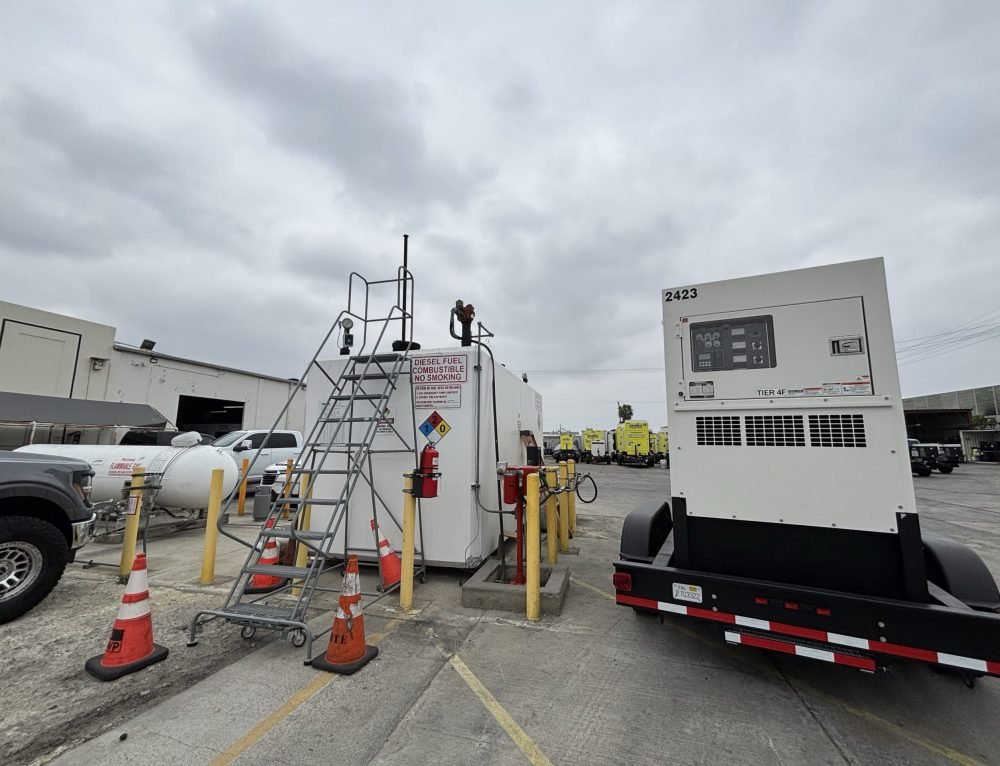
When the lights go out, a home generator isn't just a convenience—it's often a necessity. But before you can flick that switch, you face a foundational decision: what kind of fuel will power your peace of mind? The choice among Generator Fuel Types & Essential Accessories is more critical than many realize, impacting everything from operating costs and storage logistics to ease of use, safety, and even noise levels. It's a strategic move that needs to align perfectly with your lifestyle, budget, and local conditions.
Consider this your comprehensive field guide to navigating the generator fuel landscape, designed to help you make an informed decision and ensure your home stays powered when it matters most.
At a Glance: Your Quick Fuel Type Cheat Sheet
- Gasoline: Best for portable, short-term needs. Widely available, but fuel degrades quickly, high emissions, and noisy.
- Propane: Clean-burning, long shelf life. Great for standby units in rural areas. Requires tanks and delivery.
- Diesel: Highly efficient, durable, and long-running for large loads. Higher upfront cost, can gel in cold weather.
- Natural Gas: Unlimited supply if connected to a line. Clean, quiet, low maintenance. Dependent on utility infrastructure.
- Dual-Fuel: Offers flexibility by running on gasoline or propane. Slightly higher cost, but adaptable.
- Solar (Battery): Silent, emission-free, safe for indoor use. Limited power for small devices, dependent on sun for recharge.
- Essential Accessories: Don't forget transfer switches, CO detectors, proper cords, and fuel storage for safe and effective operation.
Why Your Fuel Choice Isn't Just a Detail—It's Your Entire Backup Plan
Think of your generator's fuel as its lifeblood. The type you choose dictates its operational profile, maintenance demands, and overall readiness. It’s not simply about what’s cheapest at the moment; it’s about understanding the long-term implications for reliability, safety, and convenience during an emergency. From managing fuel supplies during a major outage to the noise level impacting your neighbors, every fuel type brings its own set of advantages and challenges.
Let’s unpack each option so you can confidently select the power source that best fits your household’s unique requirements.
The Fuel Lineup: A Deep Dive into Your Options
Understanding the nuances of each generator fuel type is key to making the right investment. We’ll cover the pros, cons, safety considerations, and typical uses for each.
Gasoline: The Common Go-To (with Caveats)
Gasoline generators are often the first image that comes to mind when you think of backup power. They're typically portable, relatively affordable upfront, and use a fuel readily available at almost any gas station.
- Typical Use: These generators shine as portable or inverter units, perfect for powering a few essential items during short-term outages, camping trips, or powering tools on a job site.
- Pros:
- Widely Available: You can find gasoline almost anywhere.
- Affordable Upfront: Generally, gasoline generators have the lowest initial purchase price.
- Decent Power: Offer good power output relative to their size.
- Cons:
- Short Shelf Life: Without a fuel stabilizer, gasoline degrades in 3-6 months, leading to engine issues.
- High Emissions & Noise: They're typically louder and produce more harmful emissions than other types.
- Frequent Refueling: Less fuel-efficient, meaning more trips to refuel during extended outages. Obtaining fuel during widespread outages can also be a challenge.
- Storage Challenges: Storing large quantities safely is difficult and often regulated due to flammability.
- Safety & Maintenance: Always store gasoline in approved, sealed containers away from living areas and direct sunlight. To extend shelf life, use a quality fuel stabilizer. During operation, always run gasoline generators outdoors, at least 20 feet from windows, doors, or vents, to prevent lethal carbon monoxide poisoning. Never refuel a hot engine.
- Real-World Example: A 5 kW gasoline generator can keep your refrigerator, freezer, and a sump pump running for 8-12 hours on a full tank. For multi-day outages, this means daily, if not twice-daily, refueling runs.
Propane: The Clean & Convenient Choice
Propane generators offer a compelling alternative, particularly for those prioritizing cleaner operation and longer fuel shelf life. They're increasingly popular for both portable and standby applications.
- Typical Use: Excellent for medium to large residential loads, propane generators are a solid choice for standby units, especially in rural areas where natural gas isn't available. They're also featured in some portable models.
- Pros:
- Clean-Burning: Produces fewer emissions than gasoline or diesel.
- Indefinite Shelf Life: Propane in sealed tanks doesn't degrade, making it ideal for long-term storage.
- Quieter Operation: Generally quieter than gasoline or diesel counterparts.
- Flexible Storage: Available in various tank sizes, from small 20-pound BBQ tanks to large 500-gallon bulk tanks, allowing for significant on-site fuel reserves.
- Cons:
- Lower Energy Density: Propane holds slightly less energy per gallon than gasoline or diesel, which can mean more frequent tank refills or larger tanks to achieve comparable runtimes.
- Requires Delivery/Refill: You'll need a propane storage tank and a reliable delivery or refill service.
- Slightly Higher Fuel Consumption: Can consume more fuel by volume than diesel for the same power output.
- Safety & Maintenance: Regularly inspect propane tanks, hoses, and fittings for any signs of leaks. Always store tanks upright in a well-ventilated outdoor area. Ensure spare tanks are filled before storm season.
- Real-World Example: A 22 kW propane standby generator connected to a 500-gallon tank could power an average home, including major appliances, for 7-10 days, depending on your usage habits and external temperatures.
Diesel: Powerhouse for Long Hauls
Diesel generators are the workhorses of the generator world, known for their efficiency, durability, and ability to handle heavy loads for extended periods.
- Typical Use: These are the go-to for large standby systems, farms, estates, or homes with critical medical equipment or high energy demands. They are built for serious, sustained backup power.
- Pros:
- High Fuel Efficiency: Especially efficient under heavy loads, meaning more power per gallon.
- Long Engine Life & Durability: Diesel engines are renowned for their robustness and longevity.
- Safer Storage: Diesel is less flammable than gasoline, making it safer to store.
- Long Run Time: Coupled with efficiency, they offer extended operational periods.
- Stable Fuel Storage: Diesel can typically be stored for up to 12 months without treatment, sometimes longer with additives.
- Cons:
- Higher Initial Cost: Both the generator and its installation tend to be more expensive upfront.
- Louder Operation: Generally louder than propane or natural gas generators.
- Cold Weather Issues: Diesel fuel can "gel" in extremely cold temperatures, requiring anti-gelling additives.
- Bulkier: Diesel generators are typically larger and heavier.
- Higher Emissions: While newer models have improved, they produce more particulate matter and CO2 than propane or natural gas. They also require more routine maintenance.
- Safety & Maintenance: In cold climates, always use a fuel conditioner to prevent gelling. Store diesel in clean, sealed containers away from ignition sources. Rotate your fuel supply every 6-12 months. Regular maintenance, including oil changes, fuel filter replacements, and air filter checks, is crucial for optimal performance and longevity.
- Real-World Example: A 15 kW diesel generator can run a large home with central HVAC, a well pump, and all kitchen appliances for days, using less fuel than comparable gasoline or propane systems.
Natural Gas: Unlimited Power, Untethered Peace of Mind
For ultimate convenience and peace of mind during extended outages, it's hard to beat a natural gas generator—provided your home is connected to a natural gas line.
- Typical Use: Primarily used for whole-house standby systems, seamlessly integrating into your existing home infrastructure.
- Pros:
- Unlimited Fuel Supply: As long as your utility line is uninterrupted, you have an endless supply of fuel. No refueling runs, no storage concerns.
- Clean Emissions: Among the cleanest-burning fossil fuels for generators.
- Low Maintenance: Generally requires fewer service calls and has lower operating costs over time.
- Quiet Operation: Often the quietest option for standby power.
- Automatic Backup: Standby units turn on automatically when power fails, offering truly hands-off operation.
- Cons:
- Availability Dependent: Not all homes have access to a natural gas line.
- Utility Vulnerability: If the natural gas line is compromised during a major emergency (e.g., earthquake, flood damaging infrastructure), your generator won't operate.
- Higher Upfront Installation Cost: Connecting to the gas line and installing the unit can be a significant initial investment.
- Maintenance: Natural gas generators typically require the least amount of user-level maintenance, with professional service usually recommended annually.
Dual-Fuel: The Best of Both Worlds?
Can't decide between gasoline and propane? A dual-fuel generator offers the flexibility to use either, providing a versatile solution for varying situations.
- Typical Use: Ideal for portable or mid-size standby units, dual-fuel generators are perfect for homeowners who want flexibility for home backup, recreational use, or those who face unpredictable fuel availability.
- Pros:
- Flexibility: Switch between gasoline and propane based on availability, cost, or storage preference. This can be a lifesaver during extended emergencies.
- Extended Runtime: When one fuel source runs low, you can switch to the other, effectively doubling your potential runtime without needing a refill.
- Cons:
- Slightly Higher Purchase Price: Dual-fuel units typically cost a bit more than their single-fuel counterparts.
- Managing Two Fuels: Requires storing and managing two different types of fuel, each with its own safety and maintenance considerations.
- Safety & Maintenance: Keep both gasoline and propane supplies fresh and stored safely according to regulations. Follow maintenance guidelines specific to both fuel systems. Crucially, practice switching between fuels before an emergency strikes so you're familiar with the process.
- Real-World Example: A 7.5 kW dual-fuel portable generator could power your home essentials on propane during a multi-day outage (leveraging its longer shelf life) and then switch to gasoline if you need to take it on a road trip or job site.
Solar (Battery) Generators: Silent, Sustainable, Supplemental
For those seeking quiet, emission-free power for smaller needs, solar (battery) generators are an increasingly viable option. They're more accurately described as portable power stations with solar charging capabilities.
- Typical Use: Best suited for small-scale, supplemental backup, or portable power for electronics, medical devices, and low-demand appliances. Ideal for camping, RVs, or short, targeted outages.
- Pros:
- Zero Emissions & Fuel Cost: Once purchased, there are no ongoing fuel costs or harmful emissions.
- Silent Operation: Completely silent, making them ideal for indoor use or quiet environments.
- Safe for Indoor Use: No carbon monoxide risk, so they can be safely operated inside your home.
- Minimal Maintenance: Generally require very little upkeep.
- Cons:
- Limited Power Output: Not suitable for high-demand appliances like central air conditioning or electric stoves. They won't power your whole home.
- Recharging Dependent: Primarily rely on sunlight for recharging (via solar panels) or AC power. Recharging can be slow, especially on cloudy days.
- High Upfront Cost (for larger units): Can be expensive for units with significant capacity.
- Safety & Maintenance: Keep solar panels clean for maximum efficiency. Store batteries at their recommended charge levels (typically 50-80%) when not in use to prolong lifespan. Avoid overloading circuits, and always use the appropriate charging methods.
- Real-World Example: A 2 kW solar generator can power laptops, charge phones, run LED lights, and keep a small fan going for several hours, making it perfect for short outages, emergency communications, or off-grid cabins.
Beyond the Fuel Tank: Essential Generator Accessories You Can't Ignore
Choosing the right fuel type is just the first step. To ensure safe, efficient, and reliable operation, you’ll also need a suite of essential accessories. These aren't optional extras; they're critical components of any robust backup power plan.
1. Transfer Switches (Manual vs. Automatic)
This is perhaps the most crucial accessory for safety and convenience. A transfer switch safely connects your generator to your home's electrical panel, preventing dangerous backfeed into the utility grid (which could injure or kill utility workers) and allowing you to power specific circuits directly.
- Manual Transfer Switch: Requires you to physically switch your home's power source from utility to generator, typically via a dedicated inlet box and heavy-duty cord.
- Automatic Transfer Switch (ATS): Exclusively for standby generators. It detects a power outage, signals the generator to start, and automatically switches your home's power source. When utility power returns, it switches back and shuts the generator down.
2. Heavy-Duty Extension Cords
For portable generators, you'll need high-quality, heavy-gauge extension cords to safely carry power from the generator to your appliances.
- Gauge Matters: Lower gauge numbers mean thicker wires, capable of handling more amperage. For generators, you'll typically need 10-gauge or 12-gauge cords.
- Length: Keep cords as short as possible to minimize power loss.
- Outdoor Rated: Ensure cords are rated for outdoor use and can withstand weather conditions.
3. Fuel Stabilizers & Storage Containers
Especially vital for gasoline and diesel generators.
- Fuel Stabilizer: Extends the shelf life of gasoline, preventing gumming and corrosion in the fuel system. Add it whenever you store fuel for more than a few weeks.
- Approved Storage Containers: Use only EPA-approved, clearly labeled fuel cans designed for the specific fuel type. Store them in a well-ventilated, secure location away from living areas and heat sources.
4. Carbon Monoxide (CO) Detectors
A non-negotiable safety item. Generators produce carbon monoxide, an odorless, colorless, and lethal gas.
- Battery-Operated: Have battery-operated CO detectors in your home, especially near sleeping areas. Even with outdoor generator placement, CO can seep into homes.
- Alarms: Ensure they are working and tested regularly.
5. Generator Covers
Protect your investment from the elements.
- Weatherproof: A durable, weatherproof cover protects your generator from rain, snow, dust, and UV damage when not in use or stored outdoors.
- Ventilation: Ensure covers allow for proper ventilation if you plan to run the generator with it on (some are designed for this, most are for storage only).
6. Maintenance Kits & Supplies
Regular maintenance keeps your generator ready.
- Oil & Filters: Keep spare engine oil, oil filters, and air filters on hand.
- Spark Plugs: A fresh spark plug can solve many starting issues for gasoline/propane models.
- Funnel & Rags: For clean and efficient refueling and oil changes.
7. Wheel Kits/Mobility Kits
Many portable generators come with wheels, but if yours doesn't, adding a kit makes moving a heavy generator much easier.
8. Grounding Rods & Cables
For portable generators that aren't connected via a transfer switch, proper grounding is essential to prevent electric shock. Consult your generator's manual and local electrical codes.
9. Surge Protectors
Protect your sensitive electronics by plugging them into quality surge protectors. While a generator provides power, it doesn't always regulate voltage as precisely as grid power, and surges can still occur.
10. Propane Hoses & Adapters
For propane generators, ensure you have appropriate hoses to connect to larger tanks and any necessary adapters for different tank sizes. Always check for leaks after connecting.
11. Smart Monitoring (for Standby Units)
Many modern standby generators offer smart monitoring via apps, allowing you to check status, fuel levels, and receive alerts remotely—providing peace of mind even when you're away from home.
Making the Right Choice: Key Considerations for Your Home
With the range of generator fuel types and their accessories laid out, how do you pinpoint the best option for your home? It comes down to a few critical considerations that will shape your backup power strategy.
1. Local Fuel Availability
This is perhaps the most immediate concern.
- Natural Gas: Is your home connected to a natural gas line? If so, this is a strong contender for unlimited runtime.
- Propane: Is propane delivery reliable in your area? Do you have local suppliers for refills? Can you easily store a large tank?
- Gasoline/Diesel: How accessible are gas stations during widespread outages? Do nearby stations have backup power for their pumps? How will you safely transport and store significant quantities?
2. Storage Space & Regulations
Fuel storage isn't just about convenience; it's about safety and compliance.
- Propane: Large propane tanks (e.g., 500-gallon) require dedicated outdoor space and often specific setback distances from your home and property lines.
- Gasoline/Diesel: Local fire codes often limit how much highly flammable fuel you can store on residential property. Always store these fuels in approved containers, away from direct sunlight, ignition sources, and living spaces.
3. Maintenance Commitment
Your willingness and ability to maintain your generator will influence its reliability.
- Diesel: Generally requires more hands-on maintenance, including regular oil and filter changes, and attention to fuel quality (e.g., anti-gelling in cold weather).
- Gasoline: Needs diligent fuel stabilization and occasional carburetor cleaning if not regularly run.
- Natural Gas & Propane: These systems tend to be lower maintenance for the homeowner, often relying on annual professional servicing.
- Solar: Requires minimal care, mostly keeping panels clean and batteries properly charged.
4. Environmental Impact
For environmentally conscious homeowners, emissions are a factor.
- Solar: Zero operational emissions.
- Propane & Natural Gas: Significantly cleaner burning than gasoline or diesel, producing fewer pollutants.
- Gasoline & Diesel: Produce more particulate matter and carbon dioxide. Newer diesel models have improved emissions controls, but still typically higher than gas/propane.
5. Noise and Comfort
A running generator can be surprisingly loud, affecting your household and neighbors.
- Propane & Natural Gas: Generally the quietest options, especially standby units that are designed for residential areas.
- Inverter Gasoline Generators: Quieter than conventional portable gasoline units.
- Diesel & Standard Gasoline Units: Typically the loudest, which can be a nuisance during extended outages, particularly at night.
6. Outage Scenarios & Run Time
Consider the types of outages you prepare for.
- Short-term, infrequent outages: A portable gasoline or dual-fuel generator might suffice.
- Multi-day, critical outages: Propane or diesel standby systems offer better endurance and higher capacity.
- Indefinite outages (if utility allows): Natural gas provides the ultimate unlimited runtime.
- Supplemental power: Solar (battery) generators are great for light, communication, and small electronics.
7. Costs: Upfront vs. Long-term
Evaluate the total cost of ownership, not just the initial sticker price.
- Gasoline Generators: Often the most affordable upfront. However, fuel costs and more frequent maintenance can add up over time.
- Natural Gas & Propane Systems: Usually involve higher installation costs (for gas line connection or large tank installation) but tend to have lower operating costs due to cheaper fuel and less frequent, specialized repairs.
- Diesel Generators: Have a higher initial cost but are known for their robust construction and often fewer repairs over their long lifespan. Fuel can be more expensive than propane or natural gas.
- Solar Generators: High upfront cost for significant capacity, but zero fuel costs thereafter.
Putting It All Together: Your Personalized Backup Power Plan
Choosing your ideal generator fuel type and assembling the right accessories boils down to harmonizing your specific needs with the available options.
- For ultimate convenience and potentially unlimited run time (if available): Look at Natural Gas standby generators. They require a higher upfront investment but offer unparalleled peace of mind.
- For rural homes, long-term fuel storage, and cleaner operation: Propane is an excellent choice, whether for portable flexibility or robust standby power.
- For high demand, critical applications (like medical devices), efficiency, and maximum durability: A Diesel generator is a powerful, long-lasting solution, though it comes with a higher initial cost and more hands-on maintenance.
- For a small, portable unit for occasional use where fuel is easily accessible: A Gasoline generator is an affordable entry point, but be diligent with fuel maintenance and storage.
- For maximum flexibility to adapt to changing fuel availability during an emergency: A Dual-Fuel generator gives you options when you need them most.
- For small-scale, silent, emission-free, and safe indoor use: A Solar (Battery) Generator is perfect for keeping essential electronics and lights running, but don't expect whole-home power.
No matter your choice, always prioritize safety: store fuel correctly, follow all maintenance schedules, and size your generator properly for your needs. If you're exploring options from a trusted retailer, you'll find a range of suitable backup power solutions. For a deeper dive into specific brands and models, consider consulting Your guide to Ace Hardware generators for detailed insights into what might be available.
FAQs: Quick Answers to Common Generator Queries
How long can a generator run continuously?
Most portable generators are designed for intermittent use and typically recommend running for 8-12 hours before a cool-down period. Standby generators, especially natural gas or diesel models, are built for continuous operation for days or even weeks, as long as they have fuel and maintenance.
Can I run a generator in my garage?
Absolutely not. Never run any fuel-powered generator inside a garage, shed, basement, or any enclosed or partially enclosed space. Generators produce carbon monoxide (CO), which is deadly. Always operate them outdoors, at least 20 feet from your home, with the exhaust pointed away from windows, doors, and vents.
What's the difference between a portable and a standby generator?
A portable generator is a mobile unit you can move to different locations. It's typically smaller, requires manual setup (starting, plugging in cords, refueling), and is designed for temporary power to select items. A standby generator (also called a whole-house or home backup generator) is a permanently installed unit, usually wired into your home's electrical system via an automatic transfer switch. It starts automatically when power goes out, runs on natural gas or propane, and can power your entire home for extended periods.
How often should I test my generator?
For portable generators, run them under a load for 20-30 minutes every 3-6 months. For standby generators, most manufacturers recommend weekly or bi-weekly exercise cycles (usually automatic) to ensure they're ready to go.
Do I need a transfer switch?
If you plan to power hardwired appliances (like your furnace, well pump, or central lights) or want to safely connect your generator directly to your home's electrical panel, a transfer switch is essential. It's not just convenient; it's a critical safety device that prevents dangerous backfeed into the utility grid.
Ready for Anything: Preparing Your Home for Power Outages
The time to think about backup power isn't when the storm hits; it's now. By carefully considering Generator Fuel Types & Essential Accessories, you're not just buying a piece of equipment—you're investing in the comfort, safety, and security of your home. Whether you opt for the unlimited convenience of natural gas, the clean burn of propane, the robust power of diesel, or the versatile flexibility of dual-fuel, having a well-thought-out plan and the right gear ensures you’ll be prepared for whatever comes your way. Test your system regularly, maintain your fuel, and store those essential accessories wisely. Your future self during an outage will thank you.